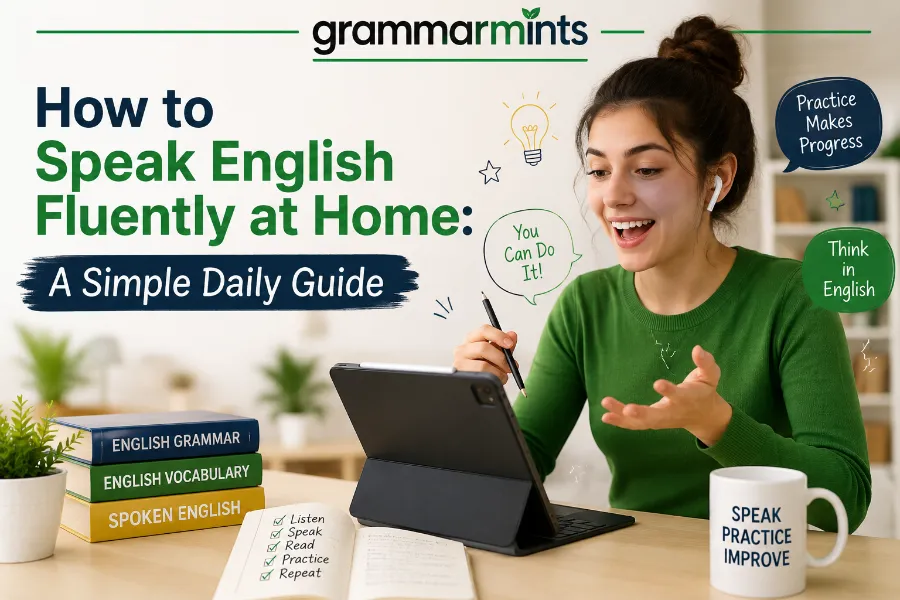
If you have ever wondered how to speak English fluently at home without hiring a tutor or moving abroad, you are not alone. Millions of learners around the world practice English from their living rooms, kitchens, and bedrooms every single day. The good news is that fluency does not require a classroom. It requires a plan, a bit of patience, and habits you can repeat every day. This guide walks you through practical, low-cost methods that real learners use to build speaking confidence without ever leaving the house.
If you want to learn more about best ai tools for students 2026 guide for practical tips and expert advice.
English remains the most studied language on the planet. Recent estimates suggest that approximately 1.75 billion people are learning or using English globally, and platforms like Duolingo report that English is the top studied language across the vast majority of countries they track. So if you are working on your fluency at home right now, you are part of a massive, motivated community.
If you want to learn more about how to use ChatGPT for writing guide for practical tips and expert advice.
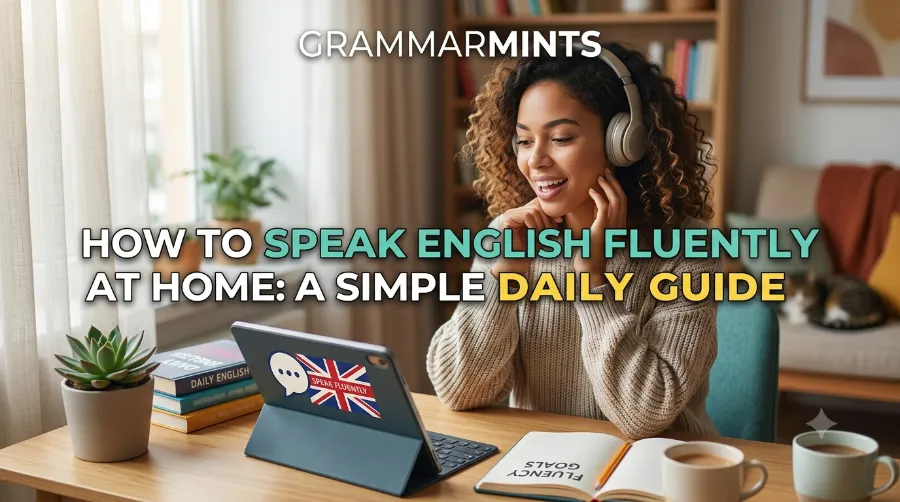
Why Learning English Fluently at Home Actually Works
Many learners assume that classroom lessons or expensive courses are the only path to fluency. That is simply not true anymore. Home-based learning gives you flexibility, repetition, and privacy to make mistakes without embarrassment, which is often the biggest barrier to speaking confidently.
Consider Maria, a 29-year-old nurse from Madrid. In January 2024, she started practicing spoken English for just 20 minutes a day using free videos and a language exchange app. By October 2024, after roughly 250 hours of consistent home practice, she passed a workplace English interview and moved into an international care team. Her story is not unusual. Research from Cambridge Assessment English suggests that an average learner reaches a B1, or intermediate, level after roughly 600 to 1,000 hours of focused study, and home practice counts just as much as classroom hours.
Because motivation matters so much, it also helps to know why English is worth the effort. Employers clearly agree: 98.5% of employers across 38 countries assess candidates’ English competency, and 50% offer better starting packages to those with strong English skills. That is a strong, practical reason to keep going even when practice feels repetitive.
Simple Daily Habits That Build Speaking Confidence
You do not need a perfect setup to start speaking English fluently at home. You need consistency. Below are habits that consistently show up in successful learners’ routines.
- Talk to yourself out loud. Narrate your morning routine, describe your plans for the day, or explain a recipe as you cook. This builds mouth muscle memory and reduces hesitation.
- Shadow native speakers. Play a short video clip, pause it every sentence, and repeat exactly what you heard, matching rhythm and stress.
- Record and replay your voice. Use your phone to record a one-minute answer to a simple question, then listen back and note two things to fix.
- Practice with a language partner online. Free platforms connect you with native speakers for casual conversation exchange, which mirrors real classroom interaction from home.
- Read aloud for ten minutes daily. Choose a short news article or story and read it aloud slowly, focusing on clear pronunciation rather than speed.
If you also want to expand your everyday vocabulary alongside speaking practice, working through a list of daily English phrases for beginners can give your conversations more natural rhythm from week one. You can find a practical set of these on the daily English phrases for beginners guide.

Using Free Tools to Practice Spoken English at Home
Technology has made home-based fluency training far more effective than it was a decade ago. A few tools stand out because they are free, structured, and built specifically for spoken practice rather than passive listening.
- VOA Learning English offers slow, clear audio and video lessons designed for learners at every level, which is ideal for shadowing practice. You can explore their full library at VOA Learning English.
- Speechling gives learners access to real coaching feedback on pronunciation, which is difficult to get without a tutor. Their free coaching model is explained on Speechling’s website.
- Structured step-by-step programs, like the one outlined in this 10-day fluency plan, can also give beginners a clear daily roadmap when they are unsure where to start.
Combining a few of these tools with your own daily talking practice tends to produce faster results than relying on just one method.
How Long Does It Actually Take to Speak Fluently at Home?
This is the question most learners ask first, and the honest answer is: it depends on your starting point and your consistency. The table below breaks down realistic timelines based on research from language proficiency studies and learner surveys.
| Starting Level | Daily Practice Time | Estimated Hours to Next Level | Realistic Timeline |
|---|---|---|---|
| Beginner (A1) | 20–30 minutes | 250–350 hours | 8–12 months |
| Elementary (A2) | 30–45 minutes | 350–500 hours | 6–10 months |
| Intermediate (B1) | 45–60 minutes | 600–1,000 hours | 12–18 months |
| Upper-Intermediate (B2) | 45–60 minutes | 500–700 hours | 8–12 months |
These numbers are estimates, not guarantees. Learners who mix speaking, listening, and reading tend to progress faster than those who focus on grammar alone. Consistency beats intensity almost every time.
Common Mistakes That Slow Down Home Learners
Even motivated learners sabotage their own progress without realizing it. Watch out for these patterns.
- Studying grammar rules without ever speaking. Grammar knowledge does not automatically translate into spoken fluency.
- Avoiding mistakes instead of embracing them. Fluency grows through trial and error, not perfection.
- Switching methods too often. Jumping between five apps in a month prevents any single method from working.
- Ignoring writing practice. Written practice, including tasks like structured essays, actually reinforces sentence structure you will later use in speech. If you are also preparing for exams, reviewing common IELTS Writing Task 2 mistakes can sharpen the same sentence-building skills that support fluent speaking.
Building Vocabulary That Supports Real Conversation
Fluency is not just about grammar; it is about having the right words ready when you need them. A learner preparing for workplace conversations, for example, benefits enormously from focused vocabulary work. If your goal includes professional settings, reviewing business English phrases alongside your daily speaking practice can make a noticeable difference in interviews and meetings. For broader vocabulary growth, a structured, science-backed vocabulary guide is a useful companion resource to keep beside your speaking routine.
The scale of global demand for these skills is worth noting too. The digital English learning market alone is projected to grow by $14.37 billion during 2022 to 2026, which reflects just how many people are investing in exactly the kind of home-based tools discussed in this guide.
A Simple 4-Week Starter Plan
For learners who want structure, here is a beginner-friendly framework you can adapt.
| Week | Focus Area | Daily Task |
|---|---|---|
| Week 1 | Pronunciation basics | Shadow one 2-minute video clip |
| Week 2 | Everyday phrases | Practice 10 daily phrases out loud |
| Week 3 | Conversation flow | 15-minute exchange with a language partner |
| Week 4 | Review and record | Record a 2-minute self-introduction and compare to Week 1 |
By the end of four weeks, most learners notice clearer pronunciation and less hesitation, even if grammar mistakes still appear. That is completely normal and expected at this stage.
Frequently Asked Questions
Can I really become fluent in English without a teacher? Yes, many learners reach conversational fluency through consistent self-study, though occasional feedback from a native speaker or coach speeds up correction of pronunciation habits.
How many minutes a day should I practice speaking? Twenty to thirty minutes of focused, active speaking practice daily is generally more effective than occasional two-hour sessions once a week.
Is watching English movies enough to become fluent? Watching helps listening comprehension, but fluency also requires active speaking practice, so pair viewing with shadowing or conversation exercises.
Do I need to move to an English-speaking country to sound fluent? No. Immersion helps, but structured home practice combined with real conversation exchange can produce strong fluency without relocation.
Conclusion
Learning how to speak English fluently at home is entirely realistic when you replace passive studying with active, daily speaking habits. Start small, track your progress honestly, and use free resources like VOA Learning English or Speechling to add structure to your routine. Fluency is less about talent and more about repetition, so the learner who speaks for twenty minutes a day will almost always outpace the one who studies grammar for hours without ever opening their mouth. If you are ready to go further, explore more practical guides on the Grammarmints homepage to keep building your English skills step by step.
References
- Simon & Simon, “20 English Language Learning Statistics,” 2025
- Cambridge Assessment English, proficiency level research, cited via Global English Test, 2025
- ecEnglish, “70 Fascinating English Language Statistics,” 2025
- DoTEFL, “English Language Statistics: How Many People Learn English,” 2024