Bright blooms often carry special meanings, and the hibiscus is no exception. Across many parts of the world, this colorful flower symbolizes beauty, joy, and affection. Because of its striking appearance, people frequently use it in celebrations, gifts, artwork, and personal expressions.
Although the hibiscus looks delicate, its symbolism is surprisingly rich. In fact, different colors can represent different emotions and messages. Moreover, cultural traditions have given the flower unique meanings over time. As a result, many people search for the hibiscus flower meaning before choosing it for a bouquet, tattoo, or special occasion.
This guide explains the symbolism of the hibiscus flower, its color meanings, cultural importance, and common uses. Additionally, you will discover how different interpretations can influence the message this beautiful flower conveys.
Quick Answer
The hibiscus flower meaning is commonly associated with beauty, love, happiness, friendship, and positive energy. However, the exact symbolism may vary according to the flower’s color and cultural background.
What Is a Hibiscus Flower?
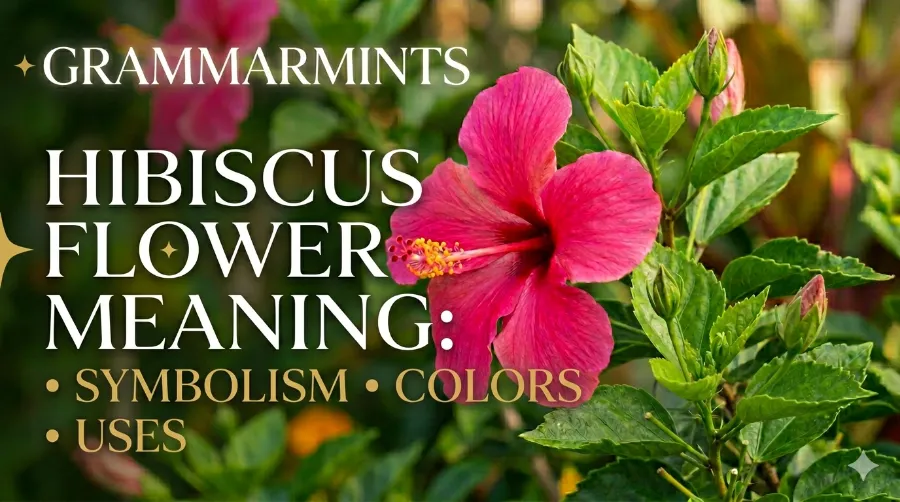
A hibiscus is a flowering plant known for its large petals and vibrant colors. These flowers grow in tropical and subtropical regions around the world.
Beyond its botanical identity, the hibiscus has become a powerful symbol in many cultures. Consequently, people often view it as more than just a decorative plant. Instead, it serves as a meaningful representation of emotions, values, and life experiences.
Hibiscus Flower Meaning in Plain English
Simply put, the hibiscus symbolizes beauty, affection, and happiness. In many traditions, it also represents positive energy and appreciation for life’s special moments.
Furthermore, the flower often reflects admiration and respect. Because of these uplifting associations, many people choose hibiscus flowers for celebrations and thoughtful gifts. Therefore, the flower continues to remain popular across different cultures and generations.
Symbolism of the Hibiscus Flower
While interpretations differ from place to place, several symbolic meanings appear consistently.
Beauty and Elegance
Most commonly, the hibiscus represents natural beauty. Its colorful petals attract attention and create a sense of admiration.
As a result, many people associate the flower with charm, attractiveness, and grace. In artistic designs, it frequently symbolizes elegance and self-expression.
Love and Affection
In addition to beauty, the hibiscus often symbolizes love. Romantic partners sometimes exchange hibiscus flowers to express admiration and heartfelt feelings.
Likewise, the flower can represent emotional warmth and appreciation. Therefore, it works well as a gift for someone special.
Happiness and Positivity
Another common meaning involves joy and optimism. Because hibiscus flowers appear bright and cheerful, they naturally convey positive emotions.
Moreover, many celebrations feature hibiscus decorations to create a welcoming atmosphere. Consequently, the flower has become a symbol of happiness in numerous cultures.
Strength and Resilience
Despite its delicate appearance, the hibiscus can symbolize strength. Many varieties thrive in challenging climates and continue producing beautiful blooms.
For this reason, some people view the flower as a reminder of perseverance and personal growth.
Hibiscus Flower Color Meanings
Color can significantly influence flower symbolism. Therefore, understanding color meanings provides deeper insight into the hibiscus flower meaning.
| Color | Symbolic Meaning |
|---|---|
| Red | Passion, love, desire |
| Pink | Friendship, kindness, admiration |
| Yellow | Joy, success, positivity |
| White | Purity, peace, sincerity |
| Orange | Energy, enthusiasm, confidence |
| Purple | Wisdom, dignity, achievement |
Although meanings may vary slightly, these interpretations remain widely recognized.
Cultural Significance of the Hibiscus
Around the world, the hibiscus holds cultural importance. However, each region may emphasize different symbolic values.
In Hawaii, the flower represents hospitality and island beauty. Meanwhile, many Asian cultures connect it with grace, prosperity, and femininity. Similarly, Caribbean communities often associate hibiscus flowers with celebration and vibrant living.
Because these meanings remain positive, the flower enjoys widespread popularity across diverse cultures.
When Should You Give a Hibiscus Flower?
A hibiscus flower suits many occasions. For example, it can celebrate achievements, birthdays, friendships, and special milestones.
Additionally, the flower serves as a thoughtful romantic gesture. At the same time, it can express appreciation without romantic intent. Therefore, hibiscus flowers offer flexibility for many social situations.
Hibiscus Flower in Tattoos
Flower tattoos often carry personal meanings. Likewise, hibiscus tattoos symbolize various emotions and experiences.
Depending on the design, a hibiscus tattoo may represent beauty, freedom, love, confidence, or personal transformation. Furthermore, tropical themes frequently include hibiscus flowers to symbolize adventure and positivity.
Common Uses of Hibiscus Symbolism
Today, hibiscus symbolism appears in many forms. For instance, people incorporate it into artwork, jewelry, clothing, and home décor.
Similarly, wedding decorations often feature hibiscus flowers because they symbolize joy and celebration. As a result, the flower remains a popular decorative choice around the world.
Synonyms and Related Symbolic Ideas
Since hibiscus is the name of a specific flower, it has no exact synonym. Nevertheless, several symbolic ideas closely relate to its meaning.
These include:
• Beauty
• Affection
• Joy
• Passion
• Grace
• Prosperity
On the other hand, there are no direct antonyms for the hibiscus flower itself.
Common Misunderstandings
Some people assume every hibiscus flower represents romance. However, the flower can also symbolize friendship, happiness, and hospitality.
Others believe all hibiscus colors carry identical meanings. In reality, color often changes the symbolic message. Therefore, selecting the right color can be important for conveying the intended sentiment.
Frequently Asked Questions
What does the hibiscus flower symbolize?
Generally, the hibiscus symbolizes beauty, love, happiness, positivity, and admiration. However, meanings can vary by culture and color.
Is hibiscus a symbol of love?
Yes. Many people associate hibiscus flowers with romantic feelings and affection. Nevertheless, the flower can also represent friendship and appreciation.
What does a red hibiscus mean?
A red hibiscus commonly symbolizes passion, deep love, and strong emotions. Consequently, it is often used in romantic settings.
What does a yellow hibiscus symbolize?
Yellow hibiscus flowers usually represent happiness, optimism, success, and positive energy. Therefore, they make cheerful gifts.
What does a white hibiscus mean?
White hibiscus flowers typically symbolize purity, peace, honesty, and spiritual harmony.
Is the hibiscus considered lucky?
In several cultures, the hibiscus is viewed as a positive symbol associated with prosperity, joy, and good fortune.
Conclusion
The hibiscus flower meaning centers on beauty, love, happiness, and positive energy. However, different colors and cultural traditions can add unique layers of symbolism.
Whether you admire the flower for its appearance or its deeper message, understanding the hibiscus flower meaning helps you appreciate its significance even more.