
Many people want to improve their communication skills, sound more professional, and understand formal British English. That is why many learners choose to learn Queen’s English. This style of English is known for clear pronunciation, proper grammar, and a rich vocabulary.
Today, English remains the most widely used international language for business, education, travel, and digital communication. Therefore, learning a polished form of English can help you stand out in both personal and professional situations.
In this guide, you will discover practical ways to improve your speaking skills, understand pronunciation patterns, and build confidence in daily conversations.
What Is Queen’s English?
Queen’s English refers to a traditional form of standard British English. It focuses on correct grammar, clear pronunciation, and formal vocabulary.
Although language changes over time, this style remains popular among learners who want to sound professional and well-spoken.
Key Characteristics
| Feature | Description |
|---|---|
| Clear Pronunciation | Words are spoken distinctly |
| Formal Grammar | Follows standard grammar rules |
| Rich Vocabulary | Uses precise and descriptive words |
| Professional Tone | Suitable for education and business |
Why Do People Want to Learn Queen’s English?
People often choose this style because it improves clarity and credibility.
Main Benefits
- Better communication skills
- Improved job opportunities
- Greater confidence in presentations
- Stronger academic performance
- Easier understanding of British media
For example, a 2024 survey by language-learning organizations found that employers often value strong communication skills as much as technical skills.
British English Pronunciation Basics
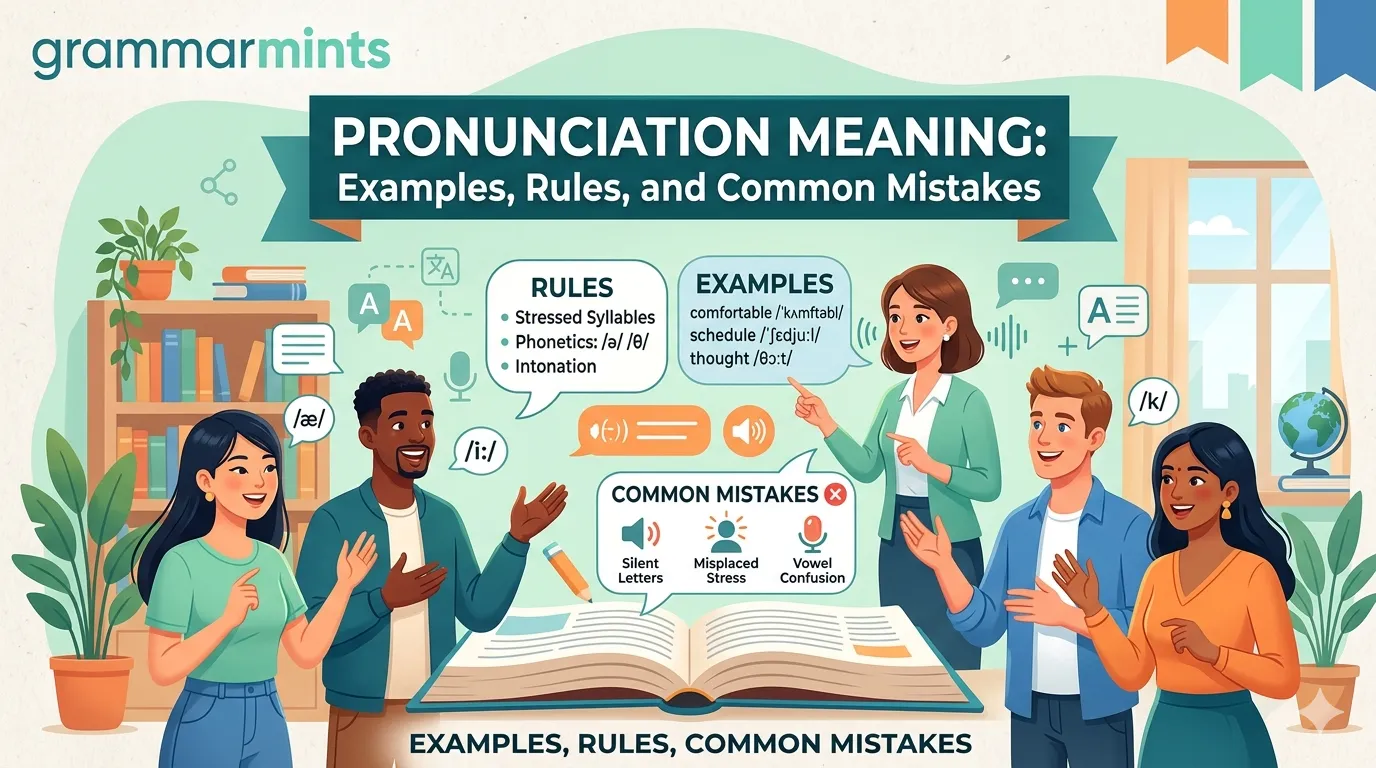
Pronunciation is one of the most important parts of mastering this style.
Common Pronunciation Features
1. Clear Vowel Sounds
Words such as “bath,” “dance,” and “chance” often use longer vowel sounds.
2. Distinct Consonants
Speakers pronounce consonants clearly, especially at the end of words.
3. Proper Word Stress
Correct stress helps listeners understand your meaning quickly.
Examples:
| Word | Correct Stress |
| Education | ed-u-CA-tion |
| Communication | com-mu-ni-CA-tion |
| Opportunity | op-por-TU-ni-ty |
Step-by-Step Method to Learn Queen’s English
Following a structured process can accelerate progress.
Step 1: Listen to Native British Speakers
Start by listening to:
- BBC News
- Educational podcasts
- British documentaries
- Audiobooks
Useful resource:
https://www.bbc.com
Step 2: Practice Shadowing
Listen to a sentence and immediately repeat it.
This technique improves:
- Pronunciation
- Rhythm
- Speaking speed
Step 3: Expand Your Vocabulary
Instead of basic words, use more descriptive alternatives.
| Basic Word | Better Alternative |
| Good | Excellent |
| Big | Enormous |
| Nice | Delightful |
| Bad | Unpleasant |
Step 4: Record Yourself
Recording helps identify mistakes quickly.
Try comparing your speech with professional broadcasters.
Common Mistakes English Learners Make
Many learners slow their progress by repeating the same errors.
Mistake 1: Translating Directly
Direct translation often creates unnatural sentences.
Mistake 2: Ignoring Pronunciation
Good grammar alone is not enough.
Mistake 3: Learning Without Speaking
Speaking practice is essential for fluency.
Mistake 4: Using Limited Vocabulary
A broader vocabulary creates more natural conversations.
British English vs American English
Many learners wonder which version they should study.
Comparison Table
| Feature | British English | American English |
| Colour | Colour | Color |
| Centre | Centre | Center |
| Holiday | Holiday | Vacation |
| Flat | Flat | Apartment |
| Lift | Lift | Elevator |
Both versions are correct. However, consistency matters more than choosing one over the other.
Best Resources for British English Learning
Several trusted resources can support your journey.
Recommended Websites
- BBC Learning English
- Cambridge Dictionary
- British Council
Daily Practice Plan
A simple routine produces excellent results.
30-Minute Daily Schedule
| Activity | Time |
| Listening | 10 Minutes |
| Speaking Practice | 10 Minutes |
| Vocabulary Review | 5 Minutes |
| Reading | 5 Minutes |
Following this plan for 90 days can create noticeable improvement.
Real-Life Success Example
In 2025, a software engineer from Germany dedicated 30 minutes daily to pronunciation practice.
After six months:
- Presentation confidence increased significantly
- Job interview performance improved
- International communication became easier
This example shows how small daily efforts can produce major results.
British English Learning Trends 2026
Language Learning Growth
| Year | Global Online English Learners |
| 2023 | 1.35 Billion |
| 2024 | 1.43 Billion |
| 2025 | 1.52 Billion |
| 2026 | 1.60 Billion (Estimated) |
Visual Growth Chart
English Learners Worldwide
2023 ██████████████
2024 ███████████████
2025 █████████████████
2026 ██████████████████
The trend shows continued demand for advanced English communication skills.
Advanced Tips for Faster Improvement
Read British Publications
Reading quality content improves vocabulary naturally.
Good examples include:
- BBC News
- The Guardian
- Financial Times
Think in English
Avoid translating from your native language.
Instead, build thoughts directly in English.
Join Conversation Groups
Speaking regularly helps reinforce learning.
Even 15 minutes of daily conversation can create long-term improvement.
Frequently Asked Questions
Is Queen’s English still used today?
Yes. Although language evolves, standard British English remains widely used in education, broadcasting, and professional communication.
How long does it take to learn Queen’s English?
Most learners notice improvement within three to six months of consistent practice.
Can beginners learn Queen’s English?
Absolutely. Beginners can start with pronunciation, listening exercises, and basic vocabulary.
Is Queen’s English different from modern British English?
The differences are usually small. Modern British English has become more relaxed, while Queen’s English remains more formal.
Do I need a British accent to speak good English?
No. Clear pronunciation and effective communication are more important than having a specific accent.
Conclusion
Learning Queen’s English can improve your confidence, communication skills, and professional opportunities. Furthermore, it helps you speak clearly, understand formal British speech, and express ideas more effectively.
The most successful learners focus on daily practice, active listening, and consistent speaking. As a result, they build fluency steadily and communicate with greater confidence in every situation.