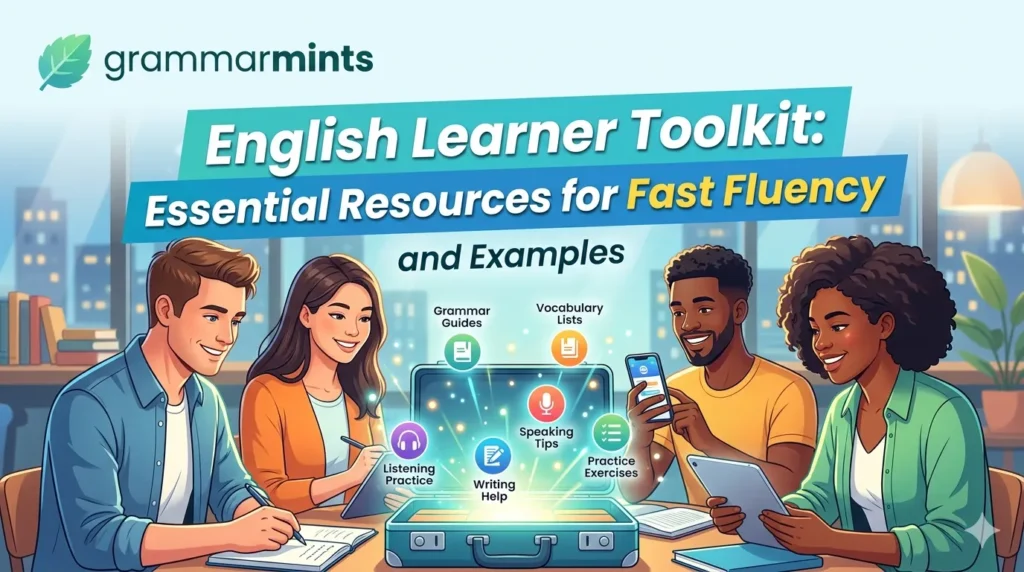
Learning English has become more important than ever. Whether you want a better job, plan to study abroad, or simply wish to communicate with people worldwide, having the right tools can make a huge difference. An effective english learner toolkit helps learners improve speaking, reading, writing, and listening skills while saving time and effort.
Today, technology offers more learning opportunities than ever before. However, many learners struggle because they use too many resources without a clear plan. Therefore, building a practical toolkit can help you stay focused and achieve better results.
What Is an English Learner Toolkit?
An English learner toolkit is a collection of resources, apps, books, websites, and study methods designed to help learners improve their English skills.
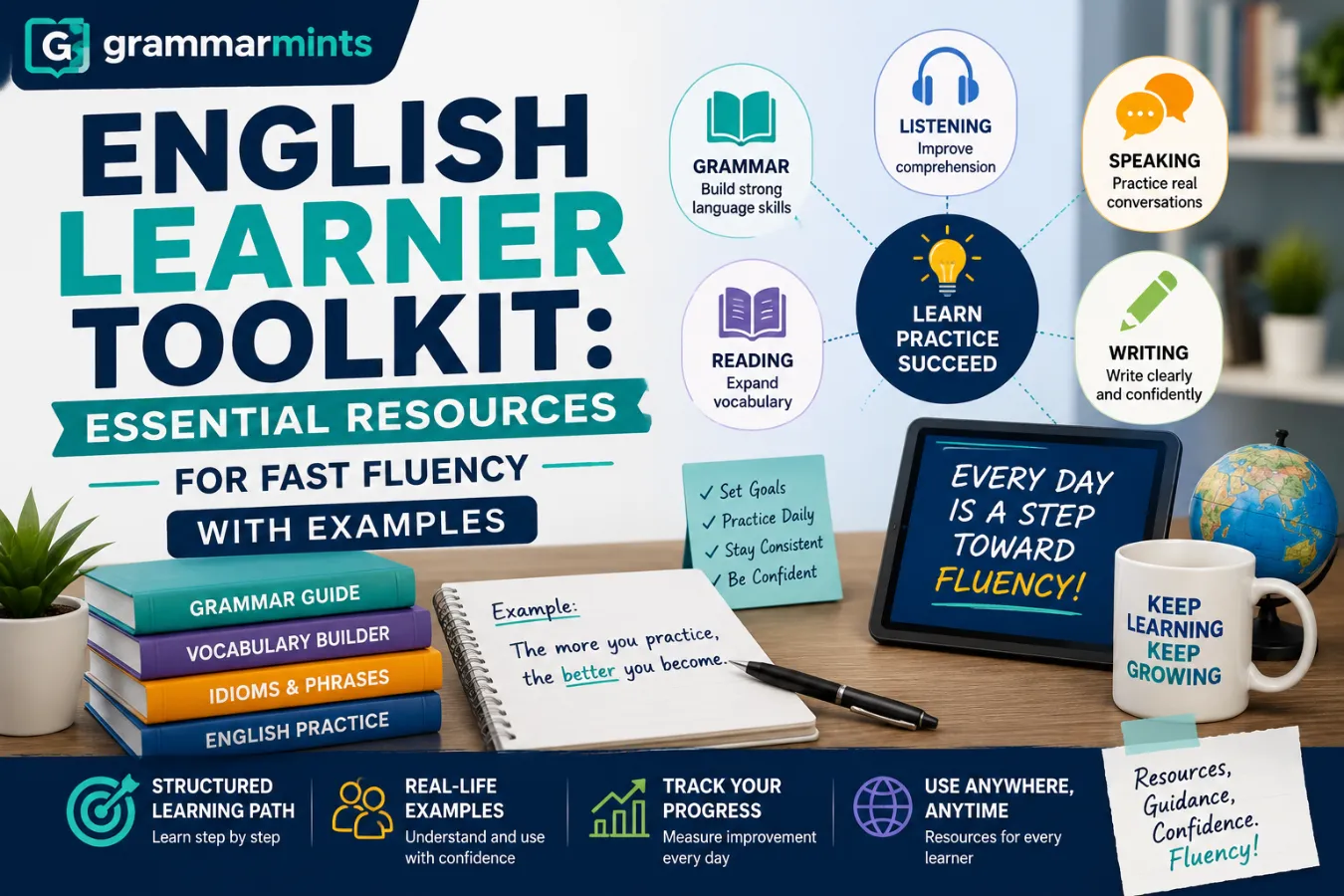
A complete toolkit usually includes:
- Vocabulary resources
- Grammar guides
- Speaking practice tools
- Listening materials
- Writing assistants
- Reading resources
- Progress tracking systems
Instead of relying on one learning method, successful learners combine several tools to create a balanced learning experience.
Why Every English Learner Needs a Toolkit
Learning a language requires regular practice. Although motivation is important, having the right resources often determines success.
Benefits include:
- Faster vocabulary growth
- Better speaking confidence
- Improved grammar accuracy
- Stronger listening skills
- Higher reading comprehension
- More consistent study habits
Moreover, learners who use structured resources often reach their goals more quickly than those who study randomly.
English Learner Toolkit Components
Vocabulary Building Tools
Vocabulary forms the foundation of language learning.
Popular vocabulary resources include:
| Tool Type | Main Benefit |
|---|---|
| Flashcards | Memorization |
| Word Lists | Quick learning |
| Mobile Apps | Daily practice |
| Dictionaries | Accurate meanings |
| Vocabulary Journals | Long-term retention |
Recommended Vocabulary Apps
- Duolingo
- Quizlet
- Memrise
- Anki
- Vocabulary.com
These tools help learners review words through repetition, which improves memory retention significantly.
Grammar Resources for Better Accuracy
Grammar helps learners communicate clearly. Without proper grammar knowledge, even strong vocabulary can create confusion.
Essential Grammar Resources
- Grammarly
- Purdue OWL
- Cambridge Grammar
- British Council LearnEnglish
- Oxford Learner’s Dictionaries
According to Cambridge English, learners who regularly review grammar structures improve writing accuracy faster than those who focus only on vocabulary.
Speaking Practice Tools
Many learners understand English but struggle when speaking.
Fortunately, modern technology provides several solutions.
Best Speaking Resources
| Tool | Primary Purpose |
| Language Exchange Apps | Real conversations |
| Speech Recognition Tools | Pronunciation |
| Online Tutors | Personalized feedback |
| Video Calls | Fluency practice |
| AI Conversation Tools | Daily speaking |
Daily Speaking Routine
A simple routine can produce excellent results:
- Learn five new words.
- Create sentences using those words.
- Record yourself speaking.
- Listen and correct mistakes.
- Repeat daily.
Even fifteen minutes of speaking practice can improve fluency over time.
Listening Resources for Real Understanding
Listening remains one of the biggest challenges for English learners.
However, consistent exposure improves comprehension dramatically.
Recommended Listening Sources
- BBC Learning English
- TED Talks
- NPR Podcasts
- Voice of America Learning English
- YouTube Educational Channels
These resources expose learners to different accents and speaking speeds.
Reading Materials for Vocabulary Growth
Reading improves vocabulary, grammar, and comprehension simultaneously.
Best Reading Materials
| Level | Recommended Content |
| Beginner | Children’s books |
| Intermediate | News articles |
| Upper Intermediate | Blogs and magazines |
| Advanced | Novels and academic content |
Reading for just twenty minutes daily can expose learners to thousands of new words every month.
Writing Tools Every Learner Should Use
Writing strengthens grammar and vocabulary usage.
Helpful writing resources include:
- Grammarly
- Hemingway Editor
- Google Docs
- LanguageTool
- Online Writing Communities
These tools provide immediate feedback and help learners identify common mistakes.
Digital Tools Dominating English Learning in 2026
Technology continues to transform language learning.
Most Popular Learning Tools
| Category | Usage Rate |
| Mobile Apps | 42% |
| Online Courses | 25% |
| AI Learning Tools | 18% |
| Traditional Books | 10% |
| Tutors | 5% |
Learning Tool Popularity Chart (2026)
Mobile Apps ██████████████████████ 42%
Online Courses ████████████ 25%
AI Tools █████████ 18%
Books █████ 10%
Tutors ██ 5%
How to Build Your Personal Study System
Creating a personalized toolkit increases effectiveness.
Step 1: Set a Goal
Examples include:
- Improve speaking skills
- Pass IELTS
- Get a promotion
- Study abroad
Step 2: Choose Core Resources
Select:
- One vocabulary app
- One grammar guide
- One speaking tool
- One listening resource
Step 3: Create a Weekly Schedule
Consistency matters more than study length.
Example:
| Day | Activity |
| Monday | Vocabulary |
| Tuesday | Grammar |
| Wednesday | Speaking |
| Thursday | Listening |
| Friday | Reading |
| Saturday | Writing |
| Sunday | Review |
Real-Life Success Stories
Maria From Spain
In 2024, Maria improved her IELTS score from 5.5 to 7.5 within eight months. She used a combination of vocabulary apps, podcasts, and daily speaking sessions.
Daniel From Germany
Daniel practiced English for thirty minutes daily using online conversation platforms. After one year, he secured a remote position with an international company.
Sofia From Italy
Sofia combined reading, listening, and writing exercises. As a result, she reached C1 proficiency within two years.
Common Mistakes English Learners Make
Many learners slow their progress unknowingly.
Avoid these mistakes:
- Studying without a plan
- Ignoring speaking practice
- Translating every word
- Learning too many resources at once
- Focusing only on grammar
Instead, balance all four language skills.
Best Free Resources Available Today
Many excellent resources cost nothing.
Top Free Platforms
- BBC Learning English
- British Council LearnEnglish
- Voice of America Learning English
- TED Talks
- Cambridge English Resources
These platforms provide high-quality lessons suitable for learners worldwide.
Related Resources
You may also find these useful:
- /related-guide (Best English Learning Apps)
- /related-guide (How to Improve English Speaking)
- /related-guide (Vocabulary Learning Strategies)
Future Trends in English Learning
Language education continues evolving rapidly.
Expected trends include:
- AI-powered tutors
- Personalized learning paths
- Virtual reality conversations
- Real-time pronunciation coaching
- Interactive language communities
Consequently, learners now have more opportunities than ever before to practice English effectively.
Frequently Asked Questions
What is an English learner toolkit?
An English learner toolkit is a collection of resources that help improve vocabulary, grammar, speaking, listening, reading, and writing skills.
Which tool is best for speaking practice?
Language exchange apps, online tutors, and AI conversation tools remain highly effective options.
How long does it take to become fluent?
The timeline depends on study consistency. Most learners need one to three years of regular practice.
Can I learn English without paying for courses?
Yes. Many free resources provide excellent learning opportunities.
How often should I study English?
Daily practice is ideal. Even twenty to thirty minutes each day can produce significant improvement.
Conclusion
An effective english learner toolkit combines vocabulary resources, grammar guides, speaking tools, listening materials, reading content, and writing support. Rather than relying on a single resource, successful learners create a balanced system that supports all language skills. By following a structured approach and using reliable tools consistently, learners can build confidence, improve fluency, and achieve their English goals faster.